
At the End of the Day, Customers Choose—Here’s What Marketers Can Do
Here’s a truth that many people forget: no marketer in the world can make someone buy something.
Sure, ads can grab attention. A catchy line can spark interest. But the decision to hit “buy now”? That always belongs to the customer.
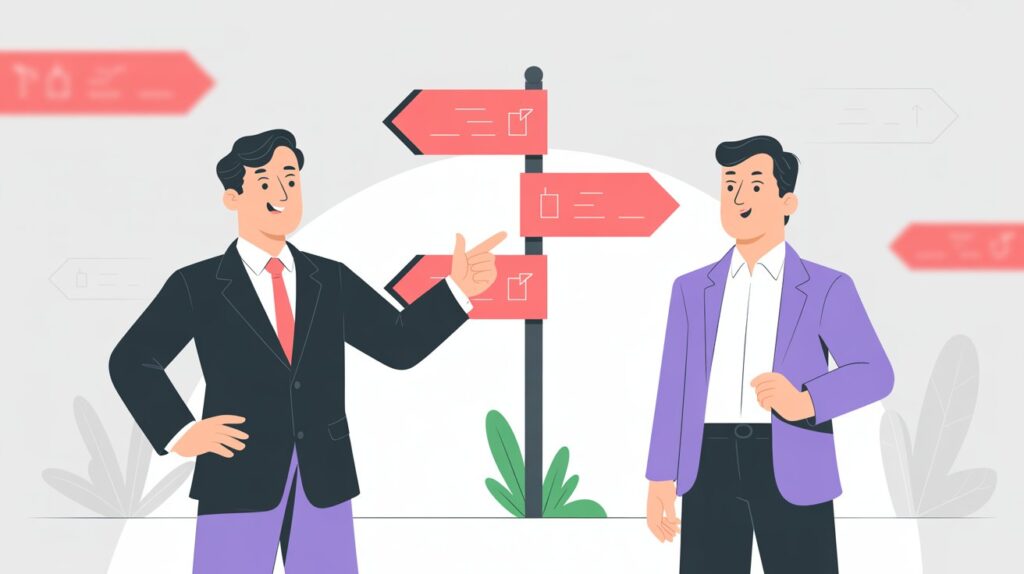
As marketers, our job isn’t to twist arms or play tricks. Our job is to guide people—help them see the value, clear their doubts, and make the path to buying as easy as possible. When we do that right, customers naturally choose to buy. Not because we forced them, but because it made sense to them.
Marketing Can’t Control People
There’s this old idea that marketing has some kind of magical power to control minds. Like if the ad is clever enough, people will line up to buy things they don’t even need.
But let’s be real.
Think about the last time you bought a phone, a pair of shoes, or even just ordered food online.
Did one flashy ad convince you?
Or did you compare, think it through, maybe check reviews, and then decide?
Chances are, it was the second option. Because deep down, every buying decision is personal. Marketing may have influenced you—but the choice was yours.
And that’s how it works for everyone. Customers hold the power. Always.
Today’s Customers Are Smarter
If that was true before, it’s even more true now. Today’s customers are flooded with information. With a quick search, they can compare brands, check reviews, and find alternatives in seconds.
That means three things:
Trust matters more than ever. Nobody believes big promises without proof.
Honesty wins. People can spot a gimmick or pressure tactic from a mile away.
Real value is king. If your product doesn’t solve a problem, no ad campaign will save it.
Customers are in charge, and they like it that way.
So What’s the Role of a Marketer?
If customers decide, then what are we really here for? The answer is simple: we’re here to guide.
Here’s what good marketing actually does:
Get Noticed
First, people need to know you exist. Marketing puts your brand in front of the right audience.
Make It Clear
Awareness isn’t enough. You have to explain why your product matters—how it helps, how it fits, why it’s worth it.
Build Trust
Customers rarely buy from strangers. They buy from brands they believe in. Testimonials, reviews, consistency—these build confidence.
Make the Journey Easy
If the buying process feels confusing or complicated, people drop off. Marketing smooths the path—clear websites, simple steps, no friction.
Answer Doubts
Customers will always have questions. Is it worth the price? Is it reliable? Will it actually help me? Good marketing answers before they even ask.
Spark Desire, Not Pressure
The goal isn’t to corner people into buying. It’s to show the value so clearly that buying feels like the natural next step.
So no, marketers don’t control decisions. But we shape the environment where those decisions are made.
Think of It Like a Guide
A good way to picture it: marketing is like being a travel guide.
A guide can show you the best spots, explain the history, and point out the hidden gems. They can make the journey easier and more enjoyable.
But do they decide where you stop, what you look at, or which photo you take? No. That’s on you.
Same with marketing. We can lead, explain, and support. But the customer always takes the final step.
Why This Mindset Matters
When businesses accept this, everything changes. Instead of obsessing over “How do we make people buy?”, the smarter question is:
“How do we help people see the value so clearly that buying feels right to them?”
This shift makes marketing more honest and more effective.
Campaigns feel more real. You’re not overselling, just communicating value.
Customers feel respected. And respected customers become loyal customers.
Sales become more sustainable. Instead of chasing quick wins, you build long-term trust.
When people feel like they’re choosing, not being pushed, they not only buy once—they come back.
Real-Life Examples
Let’s break it down with some everyday examples:
Online Ads
Say you see an ad for sneakers. The ad doesn’t force you to buy. But it highlights comfort, style, and durability—so when you were already considering new shoes, that brand comes to mind.
Blogs and SEO
A blog titled “How to Pick the Right Refrigerator” doesn’t push a specific brand on you. It helps you think through the decision. If the advice is good, you naturally trust the brand behind it.
Social Proof
Hundreds of good reviews for a restaurant won’t make you eat there instantly. But the next time you’re hungry and scrolling, those reviews make you feel more confident about trying it.
In all these cases, marketing doesn’t take the decision away from you. It just guides you until you’re ready to decide for yourself.
Wrapping It Up
At the end of the day, customers always choose. They always have, and they always will.
Marketing isn’t about control. It’s about influence, clarity, and trust. It’s about creating the conditions where the decision feels natural.
That’s the beauty of good marketing—it doesn’t feel like pressure. It feels like guidance. It doesn’t trick people into buying—it helps them see why the choice makes sense.
And when customers feel respected, they don’t just buy. They trust. They return. They recommend you.
So remember: customers choose, marketers guide. That’s the real secret.
And if you want marketing that guides your customers toward choosing you—without gimmicks or pressure—I’d love to help.
Visit nikhilmohammed.com to see how I can grow your brand with SEO, ads, and performance-driven strategies.